Organic food OEM is a way to commission the manufacture of branded products using ingredients certified under Organic JAS, USDA, or EU standards. Typical guidelines are a prototyping cost of 10,000 to 50,000 yen, a unit manufacturing cost of 150 to 600 yen, and a minimum lot from 300 units. This page introduces three recommended manufacturers with certification track records: Alpha Food Staff, with more than 100 organic ingredients; Shimane Organic Farm, for green juice and health teas; and Sokensha, with a 50-year track record.
Against the backdrop of stay-at-home demand during the COVID-19 pandemic and growing health awareness, the organic food market has drawn attention for a long time
As values such as additive-free, naturally derived, and sustainable gain weight, demand for organic food OEM is rising among food industry professionals and restaurants.
This article explains organic food OEM in detail, from the basics to the ordering process, cost guidelines, and how to choose a manufacturer.
It also introduces three recommended OEM manufacturers at the end, so please use it as a reference if you are considering adoption.
TOC
Characteristics of Organic OEM
When considering organic food OEM, it is important first to understand what organic food is and which certification systems are involved.
Compared with ordinary food OEM, raw material management and labeling rules tend to be more complex, so choose a manufacturing partner after covering the basics.
What Is Organic Food?
Organic food refers to food produced and processed by making use of nature's bounty, without relying on pesticides or chemical fertilizers.
Note that “organic” and its Japanese equivalent, yuki, are basically used with the same meaning.
IFOAM (International Federation of Organic Agriculture Movements), which promotes organic agriculture worldwide, sets out the following four principles of organic.
Health: Sustain and enhance the health of soil, plants, animals, humans, and the planet
Ecology: Take natural ecosystems and life cycles as a model, and act in line with them
Fairness: Build relationships that are fair to all people, animals, plants, and the environment. This includes a ban on child labor, appropriate wages for workers, and animal welfare.
Care: Manage in a precautionary and responsible way to protect present and future generations and the environment
Organic food can be described as food that considers not only the safety of raw materials but also environmental impact and production background.
About Certification Systems
To sell a product in Japan labeled “organic,” you must in principle obtain Organic JAS certification. If you handle products for overseas markets, it is also important to check the certification systems for each destination, such as the following.
With organic food OEM, you can bring a product to market through an OEM partner without owning manufacturing facilities.
Depending on the OEM manufacturer, you may be able to consult in one place on everything from product design, raw material sourcing, and certification handling to label checks and packaging.
Examples of products that can be handled include the following.
Examples of Organic Food OEM Products
Organic granola
Organic cookies
Organic tea
Soy meat
Nuts
Because raw material management and labeling rules tend to be more complex for organic food than for ordinary food, it is important to choose a manufacturer with a track record in organic food.
What goes wrong if you don't know Key OEM points, explained
Starting your first OEM and unsure where to begin?
Which manufacturer you choose greatly affects both cost and quality. We clearly summarize how to proceed with OEM and the points for choosing a manufacturer, so that even beginners can avoid mistakes.
When considering organic OEM, understanding the advantages and cautions in advance makes it easier to avoid failure from the planning stage.
Advantages
You can launch an organic brand without capital investment in facilities
More companies now accept small lots, making test sales easier
You can offer products that fit well with your company's SDGs and ethical policies
It can also lead to overseas exports and higher-value products
Disadvantages
Raw material and manufacturing costs are high, so production costs tend to be higher than with general OEM
Few factories can handle organic production, which makes selection difficult
Labeling and packaging content require knowledge of the Pharmaceuticals and Medical Devices Act and the Food Labeling Act
Adjusting flavor and quality can take time (especially when using natural ingredients)
Keys to Success in Organic Food OEM
Organic Food OEM The commissioning process
The basic flow of organic food OEM is as follows. In particular, it is important to confirm organic certification and whether raw materials are acceptable at an early stage.
Processes
Details
Planning and concept design
Confirm the intended target customers and product, and decide the direction
OEM manufacturer research and inquiries
Check track records and make an inquiry
Prototyping
Create samples and check flavor, quality, and labeling (ingredients and allergens)
Signing the contract
Confirm the final costs (manufacturing, packaging, shipping) and the manufacturing lot, then sign the contract
Mass production and delivery
Shipping labels and packing design may also be handled, depending on the case
Organic Food OEM Cost Items
Organic food OEM tends to cost somewhat more than ordinary OEM. The following are typical cost items.
Manufacturing Costs
Prototyping fee: The cost of making prototypes (varies by the number of rounds)
Recipe development fee: The cost of designing an original formulation
Production cost: The cost of actually producing the product
Storage and shipping cost: Costs for storage and shipping
Costs that are easy to overlook
Do not overlook promotion costs and package design costs, not just manufacturing costs.
Design costs : 50,000 to 300,000 yen. Packaging, labels, gift cards, and so on
EC marketplace fees: 5% to 15.4% on Amazon; varies by plan on Rakuten
Advertising cost: The cost of social media ads and SEO
How to Choose an Organic Food OEM Manufacturer
What matters in choosing an OEM manufacturer is its certification track record and its ability to make proposals. Check the following points.
Does it have a track record of handling certifications such as Organic JAS, USDA, and EU Organic?
Is it strong in the product genre you want (baked confectionery, beverages, soups, etc.)?
Does it have experience with small lots and supporting private brand product development?
Does it have deep knowledge of label review and allergen control?
Does it have the speed and communication skills needed for prototyping and exchanges?
Points for Avoiding Failure
To make organic food OEM a success, keep the following points in mind.
Tell the manufacturer your company's values (SDGs, regional character, additive-free, etc.)
Allow enough time for test sales and prototyping
If you lack knowledge of the Food Labeling Act and the Pharmaceuticals and Medical Devices Act, use an outside advisor
Develop the product while sharing your marketing plan (who to reach, with what, and how) with the OEM manufacturer
What goes wrong if you don't know Key OEM points, explained
Starting your first OEM and unsure where to begin?
Which manufacturer you choose greatly affects both cost and quality. We clearly summarize how to proceed with OEM and the points for choosing a manufacturer, so that even beginners can avoid mistakes.
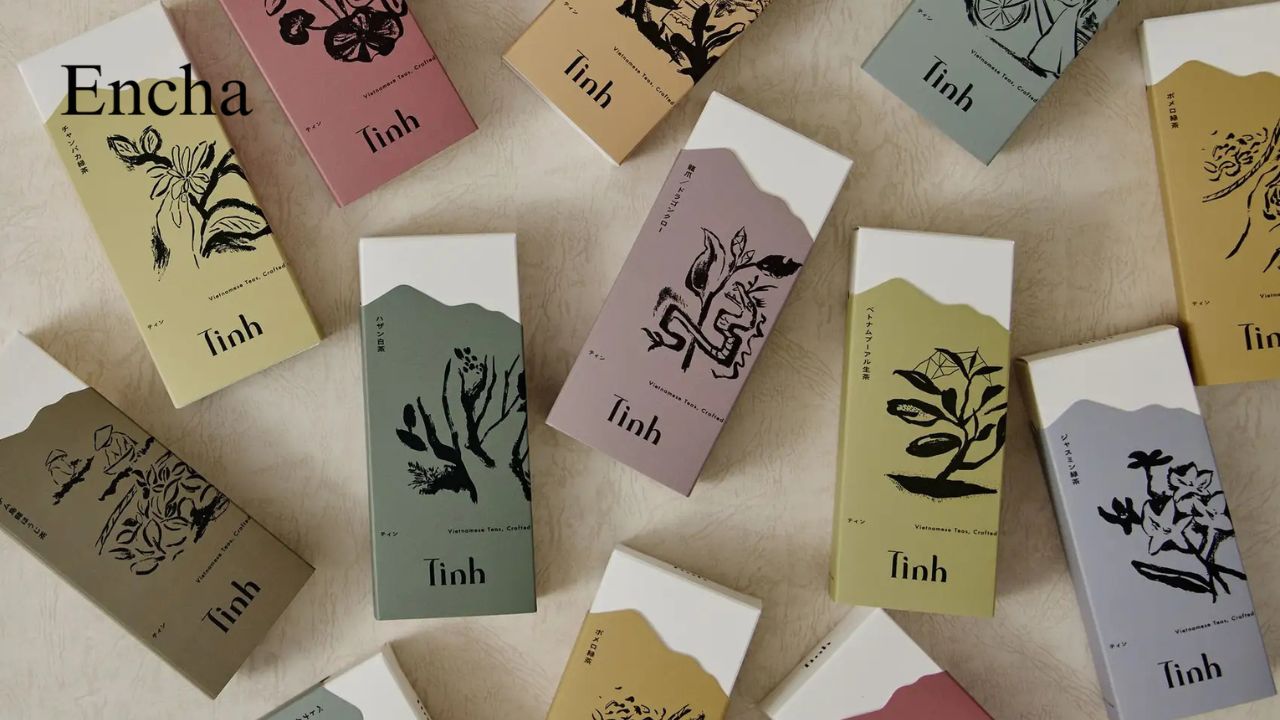
Centered on rare wild-growing tea from the Ha Giang region of northern Vietnam, it handles a wide variety of pesticide-free teas, including green tea, oolong tea, black tea, and flower tea. It supports the entire process from product planning through prototyping, manufacturing, and delivery, and also assists with brand design and packaging design.
Sourcing high-quality, pesticide-free tea leaves through direct trade with local Vietnamese farmers
Small-lot support (available from a few hundred units)
One-stop support from product planning through manufacturing and delivery
Brand design and packaging design support available
FoodOEM
Encha Inc., Handling Vietnamese Tea OEM | FoodOEMEncha Inc. is a tea specialist that partners directly with tea farmers across Vietnam and brings carefully grown tea leaves to Japan. Based in Kanagawa Prefecture, it handles coffee, tea, beverages, health products, powders…
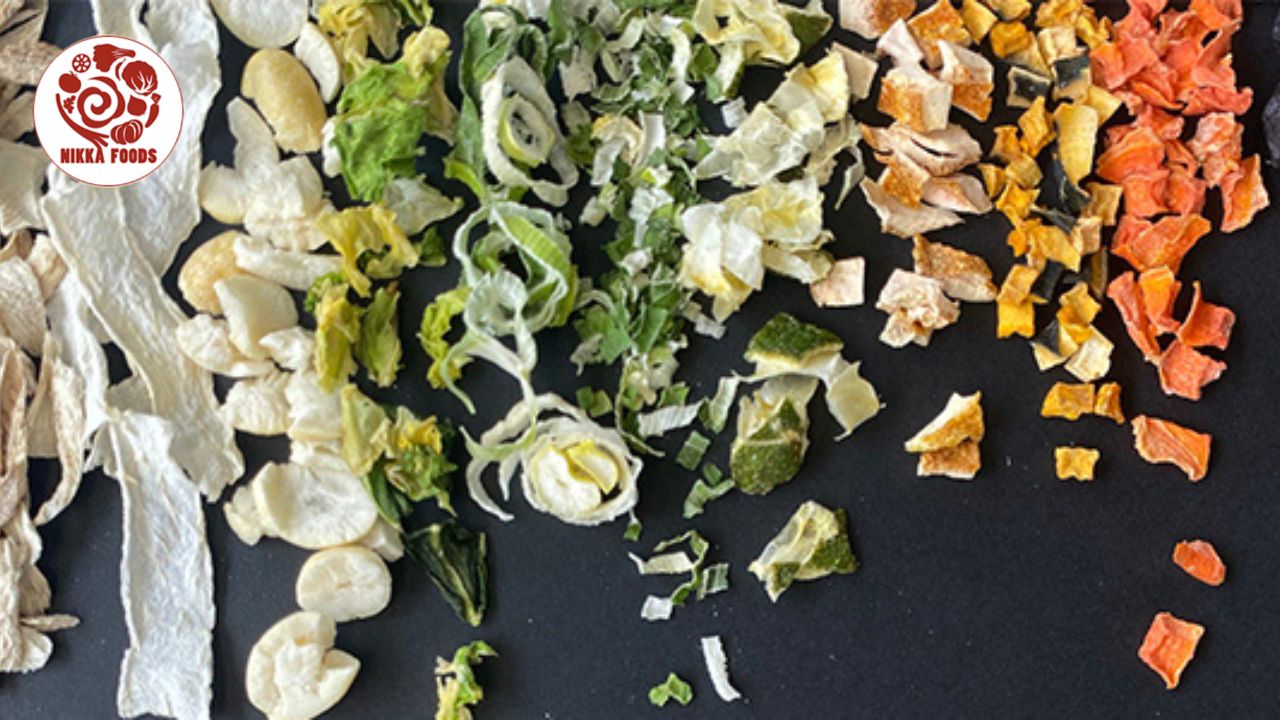
An OEM manufacturer with more than 50 years of history, whose strength is “completely additive-free” processing with no coloring agents, preservatives, or the like. It handles a wide range of agricultural products, such as vegetables, fruits, and herbs, from primary processing through grinding and powdering.
It is committed to domestic ingredients and actively supports the upcycling of non-standard vegetables, and also develops additive-free products for pet food.
Categories handled: dried vegetables, dried fruit, furikake, processed vegetable products, pet food, etc.
Features:
Supports upcycling of non-standard vegetables and product development from an SDGs perspective
Integrated support from primary processing through powdering
Also handles OEM of additive-free pet food made with domestic raw materials
An organic specialist food wholesaler and OEM manufacturer that handles more than 100 organic ingredients, including dried fruit, nuts, granola, and cereal. In partnership with affiliated factories holding Organic JAS certification, it plans, develops, and proposes original confectionery and cereal OEM products. It also accepts small lots and is strong in product development that makes use of organic ingredients.
Categories handled: dried fruit, nuts, granola, cereal, original confectionery
Features:
Handles more than 100 organic ingredients
Small-lot support available
Supports planning, development, and proposal of original products
An agricultural corporation that handles OEM of Organic JAS-certified health teas, green juice, smoothies, supplements, and more. It is particular about raw material freshness and processes quickly at a plant within one hour of its fields. It also accepts small lots and proposes original recipes, and is strong in developing additive-free products using domestic raw materials.
Categories handled: health teas, green juice, smoothies, supplements, tea bag processing
Features:
Owns Organic JAS-certified raw materials and factory
Processing system that makes the most of raw material freshness
A company that plans, manufactures, and wholesales natural foods and organic products, with a track record of more than 50 years. It handles OEM product development of curry roux, instant ramen, retort-pouch foods, dressings, and more, with raw material designs that avoid white sugar and amino acids and product development that minimizes food additives. Its strengths include a setup that manages many product types through a single contact point, and the ability to order everything from packaging materials to finished packaged products in one place.
More than 50 years of experience in natural foods and organic products
Raw material design that avoids white sugar, amino acids, and the like
Product development that minimizes food additives
Many product types can be managed through a single contact point
Everything from packaging materials to finished packaged products can be ordered together
Realizing a Sustainable Brand with Organic Food OEM
Organic food OEM is a powerful way to bring high-quality, high-value-added products to market while limiting capital investment. In working toward a sustainable society, the importance of organic products will only grow.
Use this article as a reference to find a partner that matches the world your company aims for, and grow a sustainable and appealing brand.
What goes wrong if you don't know Key OEM points, explained
Starting your first OEM and unsure where to begin?
Which manufacturer you choose greatly affects both cost and quality. We clearly summarize how to proceed with OEM and the points for choosing a manufacturer, so that even beginners can avoid mistakes.
Handles planning and writing of articles for FoodOEM, a media outlet specializing in food OEM.
Has written many articles on how to get started with food OEM, comparisons of OEM manufacturers, and interviews with manufacturers.
Strives to use concrete, easy-to-understand language so that even first-time OEM seekers can follow highly specialized topics without getting lost.